

What is Batch Cooking?
|
|
Time to read 8 min
|
|
Time to read 8 min
Batch cooking, also known as meal prep or advance meal preparation, is a food organization method that involves preparing several meals in a single cooking session. The goal is simple: save time, better manage your diet, limit improvised meals and reduce the daily stress linked to the classic question: "what am I eating tonight?"
Widely used by active people, families, athletes and strength training enthusiasts, batch cooking makes it possible to build balanced meals from simple foods: proteins, vegetables, starchy foods, healthy fats and homemade seasonings. When applied properly, it becomes a powerful tool for improving your lifestyle, meeting your nutritional goals and avoiding quick solutions that are often too rich, too salty or too processed.
In this comprehensive guide, you will discover what batch cooking is, its benefits, how to organize it effectively, which foods to choose, how to adapt it to strength training, weight loss or bulking, and how to avoid the most common mistakes.
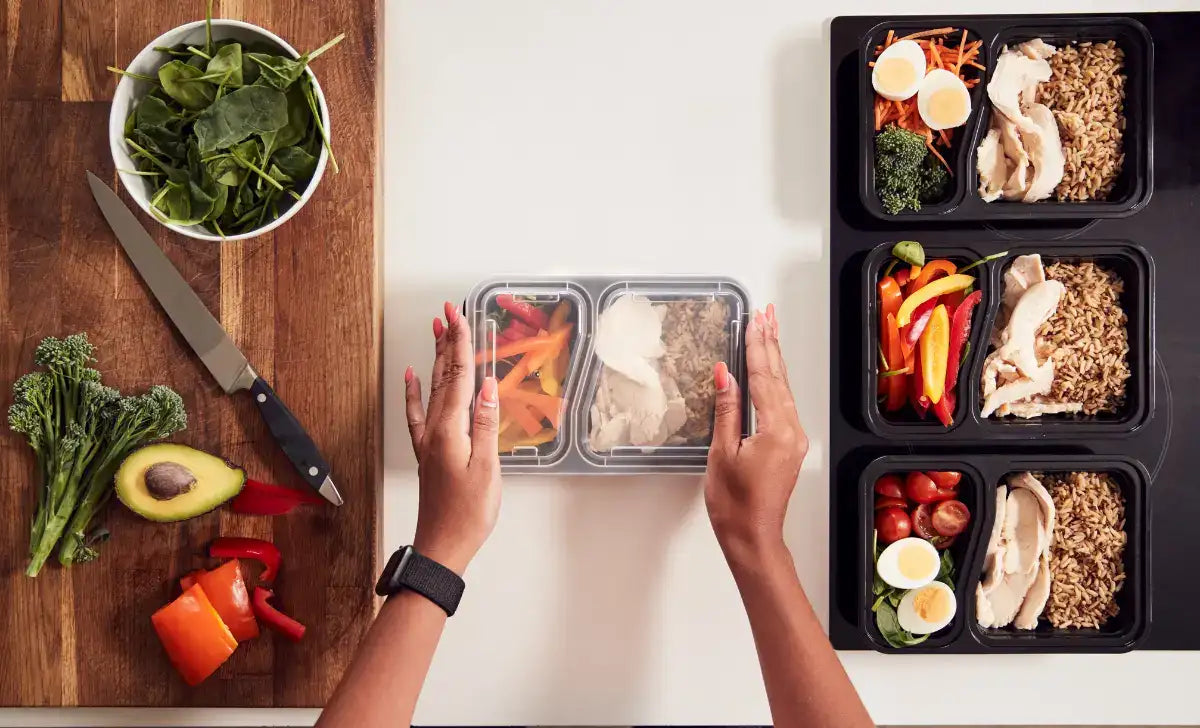
Batch cooking consists of grouping the preparation of several meals into a single time slot, usually once or twice a week. Instead of cooking separately every day, you prepare several food bases in advance: cooked vegetables, starchy foods, protein sources, homemade sauces, snacks or portions ready to assemble.
There are two main ways to practice batch cooking:
The second method is often more flexible because it helps prevent monotony. With the same bases, you can create several different meals: a quinoa bowl, a complete salad, a chicken-and-vegetable plate, a protein wrap, an enriched soup or a post-workout meal.
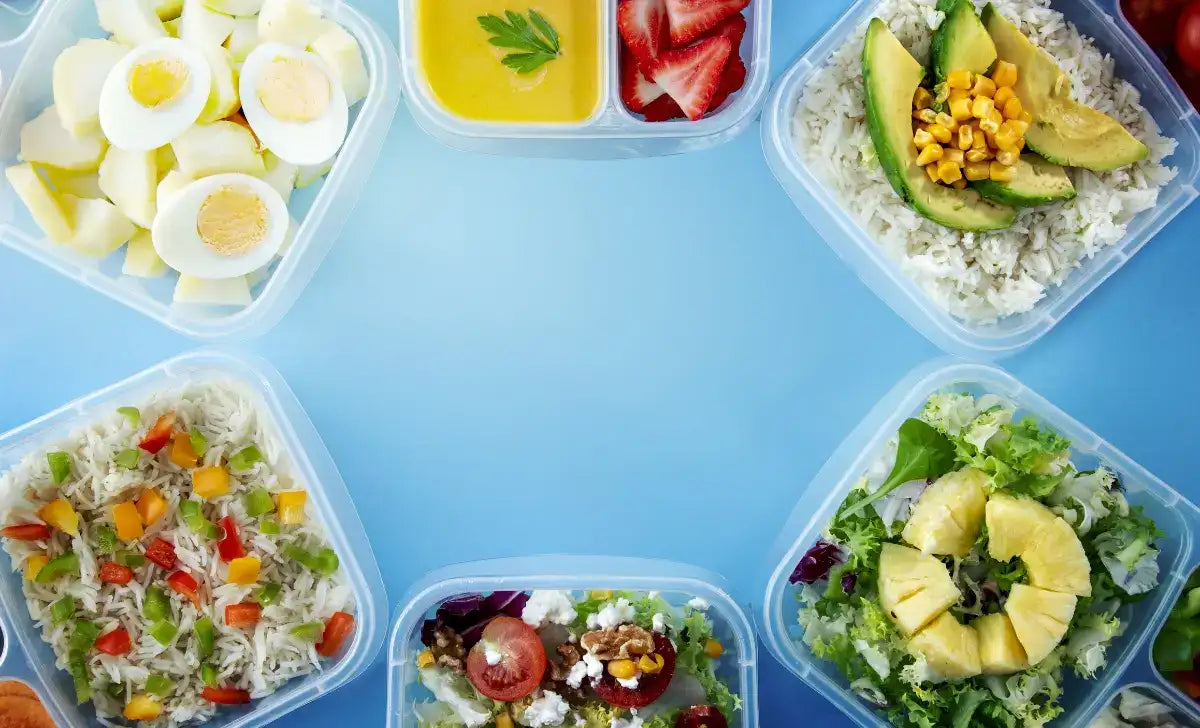
Batch cooking addresses a very common problem: lack of time. Many people want to eat better, but end up choosing quick meals, processed snacks or ready-made dishes due to a lack of organization. Preparing in advance makes it possible to make better decisions before you are hungry, which profoundly changes the quality of your diet.
The main benefits are:
This method is particularly useful if you have busy days, variable schedules, regular workouts or a specific goal such as losing weight, gaining muscle or simply eating a more balanced diet.
Batch cooking naturally promotes a healthier diet because it requires you to plan meals. This planning helps incorporate more whole foods: vegetables, fruits, legumes, lean meats, fish, eggs, whole grains and sources of healthy fats. Slavin and Lloyd note that fruits and vegetables provide fiber associated with a reduced incidence of cardiovascular disease and obesity, as well as vitamins, minerals and phytochemicals with antioxidant and anti-inflammatory properties (Advances in Nutrition, DOI).
A balanced batch-cooked meal should ideally contain:
To discover simple meal ideas to incorporate into this approach, you can check out our rich and balanced grilled quinoa salad or our grilled chicken steak with vegetables.
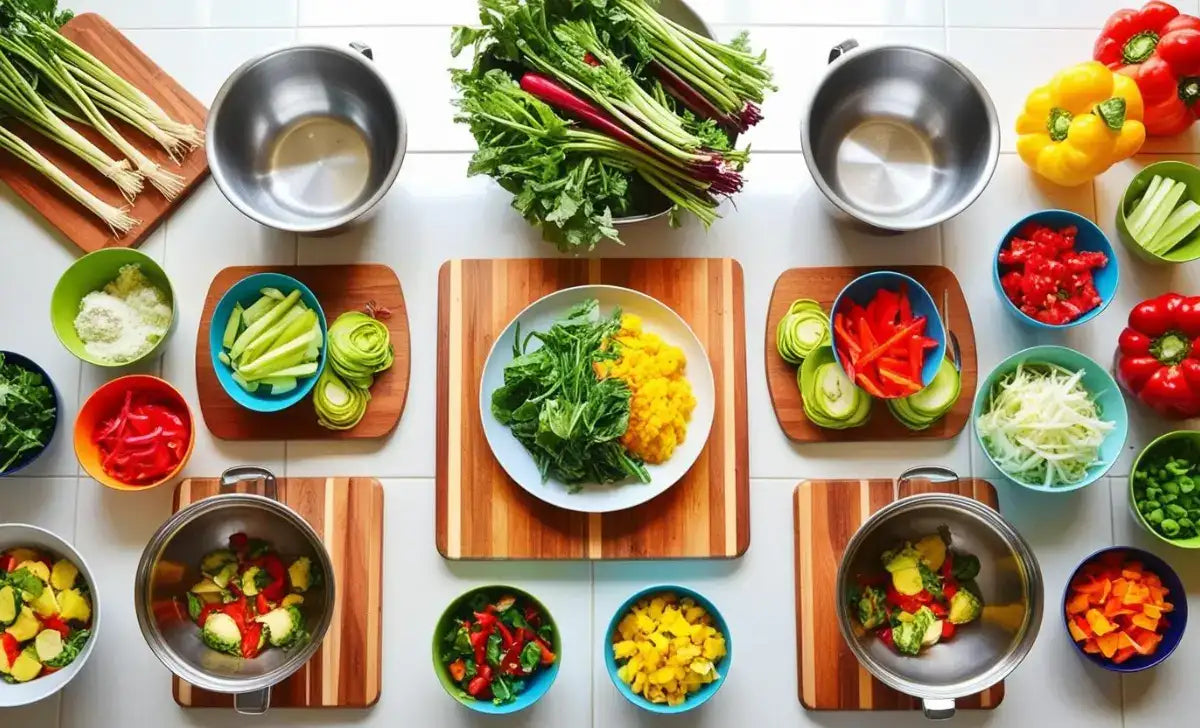
In strength training, results do not depend solely on training. Nutrition plays a major role in recovery, progress, bulking, cutting and maintaining muscle mass. Phillips and Van Loon note that a regular distribution of protein intake throughout the day, in 3 to 4 servings, optimizes muscle protein synthesis (Journal of Sports Sciences, DOI) — a goal that batch cooking naturally facilitates by ensuring regular, ready-to-eat meals.
For strength training enthusiasts, this method makes it possible to:
Batch cooking is therefore a tool for discipline, but also for convenience. When your meals are already ready, you no longer need to negotiate with your motivation at every meal. You simply need to follow your organization.
To better understand the impact of nutrition on results, you can read our guide on how to gain muscle mass naturally.
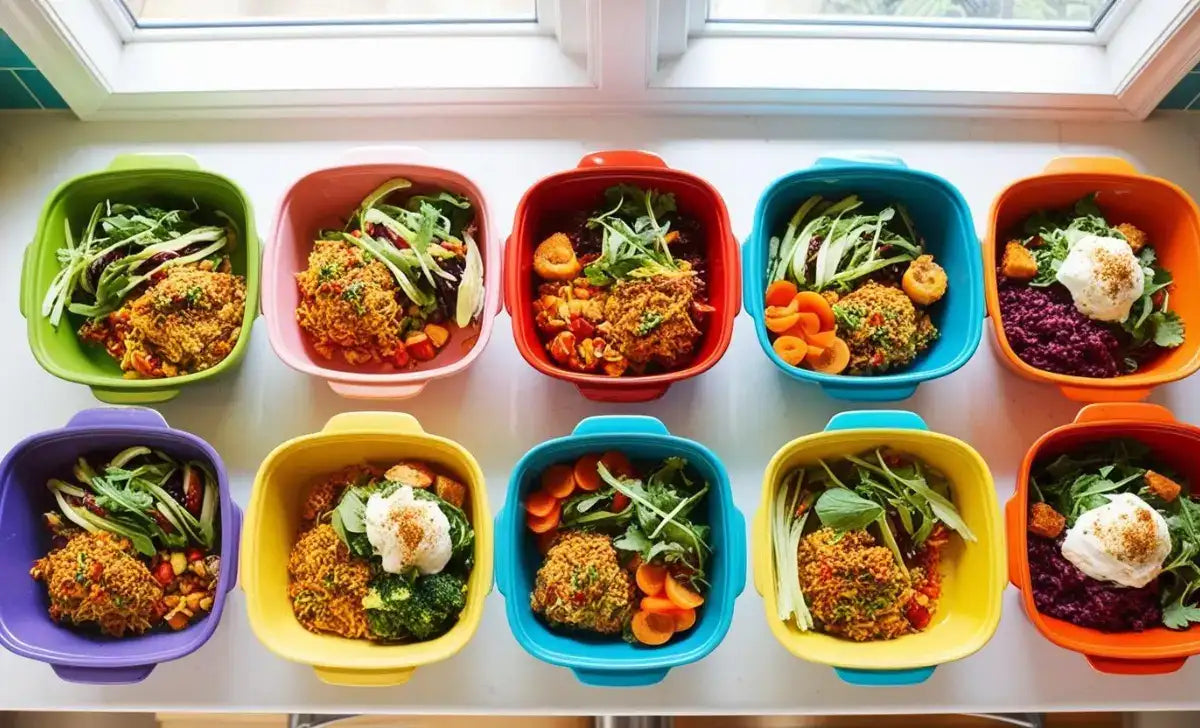
A good batch cooking session starts before you even enter the kitchen. The key is planning. The clearer your organization, the faster, more effective and more enjoyable your session will be.
Start by deciding how many meals you want to prepare. You do not have to prepare the entire week. To get started, 4 to 6 meals are more than enough. You can also prepare only lunches or dinners.
A clear list limits impulse purchases and waste. Organize it by category: proteins, vegetables, starchy foods, fruits, fresh products, spices, sauces and containers.
To save time, cook several foods at the same time. While the rice or quinoa is cooking, you can prepare vegetables in the oven and cook chicken or eggs.
You can prepare complete containers or store the bases separately. To maintain more variety, it is often best to store proteins, vegetables, starchy foods and sauces separately.
Write the preparation date on your containers. Place meals to be eaten quickly in the refrigerator and freeze those planned for later in the week.
The best foods for batch cooking are those that keep well, reheat easily and retain a good texture after several days.
Here is a simple example for preparing several balanced meals without spending all day in the kitchen.
| Day | Prepared meal | Nutritional goal |
|---|---|---|
| Day 1 | Grilled chicken, basmati rice, broccoli, olive oil | Classic athletic meal, protein and carbohydrates |
| Day 2 | Mexican quinoa, kidney beans, vegetables, lime | Fiber, complex carbohydrates, vegetarian meal |
| Day 3 | Grilled fish, sweet potato, zucchini, green salad | Protein, micronutrients, light meal |
This type of organization allows you to vary food sources while maintaining a simple structure: a protein, a carbohydrate, vegetables and a source of healthy fats.
Batch cooking is particularly effective for weight loss because it allows for better portion control and helps avoid impulsive decisions. When meals are ready, it becomes easier to maintain a calorie deficit without resorting to processed dishes or repeated snacking.
For a weight-loss version, prioritize:
The key is not to eat as little as possible, but to prepare satisfying, nutrient-rich meals compatible with your goal. To learn more, see our article tips for healthy and sustainable weight loss.
When bulking, batch cooking helps avoid the opposite mistake: not eating enough. Many athletes think they are in a calorie surplus when they are not eating regularly enough. Preparing meals in advance helps ensure adequate portions of carbohydrates, protein and fats.
For a lean bulk, prepare:
Within this approach, supplementation with creatine monohydrate can complement a routine focused on strength and progress, provided that training, calories and protein are already well structured.
Batch cooking relies primarily on whole foods. Supplements should not replace meals, but they can help complement a routine when there is a genuine need: convenience, recovery, protein intake, performance or micronutrition.
Batch cooking helps you stick to your meals. Well-chosen supplements can then support your performance, recovery or everyday convenience.
Storage is an essential aspect of batch cooking. Preparing several meals in advance requires following certain hygiene rules to avoid quality loss and food safety risks.
Fresh salads, raw vegetables, cut avocados and fresh herbs are less suitable for long storage. It is best to add them at the last minute to retain a better texture.
To make your organization successful, choose simple, balanced recipes that are easy to store. The following recipes fit perfectly into a healthy, athletic batch cooking routine:
Batch cooking is an organizational tool. To achieve lasting results, it should be combined with a good understanding of nutritional basics: protein, carbohydrates, fats, fiber, hydration, sleep and training.
Batch cooking is a simple and powerful method for eating better, saving time and meeting your nutritional goals. By preparing several meals in advance, you reduce stress, avoid improvised meals and improve the quality of your diet. For athletes, it is a particularly effective tool for maintaining regular protein, carbohydrate, vegetable and healthy fat intake, whether the goal is weight loss, bulking or performance. Find all the supplements selected to support your sports nutrition at Force Addict Pro.
Retrouvez les réponses aux questions les plus courantes avant votre achat.
Le batch cooking consiste à préparer plusieurs repas ou bases alimentaires (protéines, féculents, légumes) en une seule session de cuisine, généralement 1h30 à 3h, pour gagner du temps pendant la semaine et manger plus sainement au quotidien.
Oui, c'est même l'un des outils les plus efficaces pour la musculation. Il permet de maintenir des apports réguliers en protéines, glucides complexes et légumes, d'éviter les repas improvisés et de mieux préparer les repas post-entraînement. Phillips et Van Loon (Journal of Sports Sciences, doi.org/10.1080/02640414.2011.619204) confirment qu'une répartition régulière des protéines sur la journée optimise la synthèse protéique musculaire — exactement ce que facilite le batch cooking.
La plupart des repas se conservent 2 à 3 jours au réfrigérateur dans des contenants hermétiques. Pour une conservation plus longue, congelez les portions prévues plus tard dans la semaine. Évitez de recongeler un plat déjà décongelé.
Privilégiez : poulet, dinde, œufs, thon et légumineuses pour les protéines ; riz, quinoa, patate douce et pâtes complètes pour les glucides ; brocoli, courgettes, poivrons et épinards pour les légumes. Ces aliments se conservent bien et se réchauffent facilement.
Oui, en préparant les repas à l'avance vous évitez les décisions impulsives et les plats industriels. Vous maîtrisez mieux vos portions et votre déficit calorique, ce qui facilite une perte de poids durable associée à l'activité physique.
Les erreurs courantes sont : préparer trop de repas dès le début, manquer de variété (toujours le même plat), oublier les protéines, trop cuire les légumes (ils ramollissent au réchauffage) et ne pas prévoir de collations, ce qui favorise le grignotage.