

Key Fruits for Optimal Health and Athletic Physique
|
|
Time to read 4 min
|
|
Time to read 4 min
Fruits play an essential role in a healthy diet, whether your goal is to improve your health, support your athletic performance, or build a more athletic physique. Rich in vitamins, minerals, fiber, water, and antioxidants, they contribute to daily energy, digestive comfort, recovery, and protection against oxidative stress.
For those who practice weight training, fitness, or endurance sports, fruits should not be seen as simple “health” foods. When chosen and incorporated well, they can support training, improve the nutritional quality of meals, and contribute to better body composition.
Fruits provide nutrients that are difficult to obtain in sufficient amounts in an overly processed diet. They are naturally rich in fiber, vitamins, polyphenols, and antioxidants.
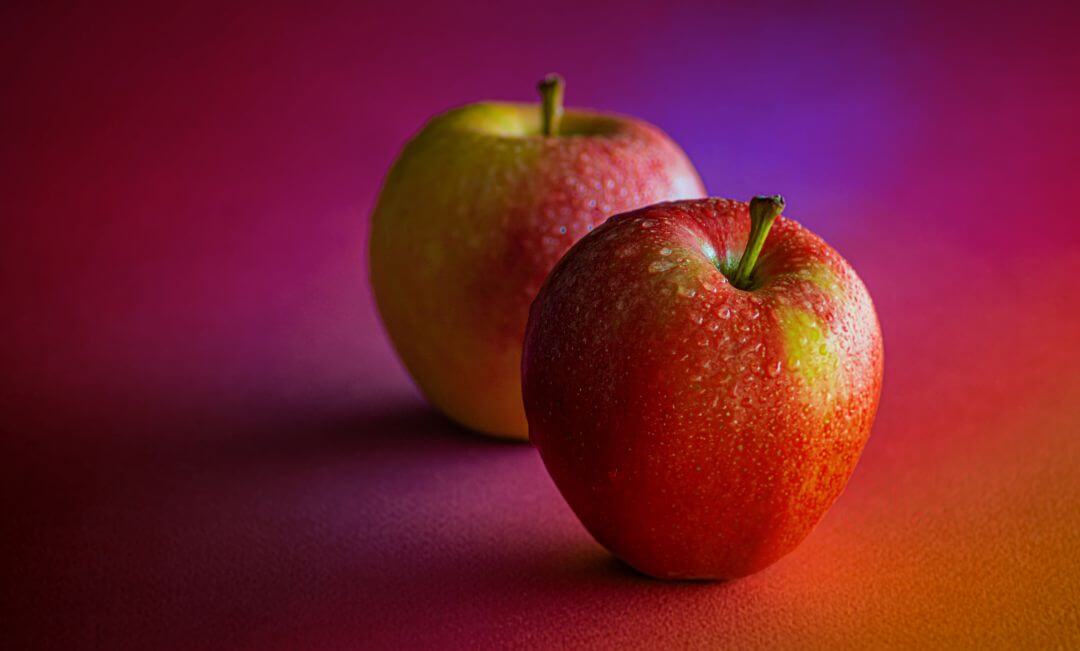
Apples are among the easiest fruits to incorporate into a dietary routine. They are rich in fiber, particularly pectin, a soluble fiber that contributes to digestive comfort and satiety. Their moderate glycemic index makes them an interesting option for more stable energy throughout the day.
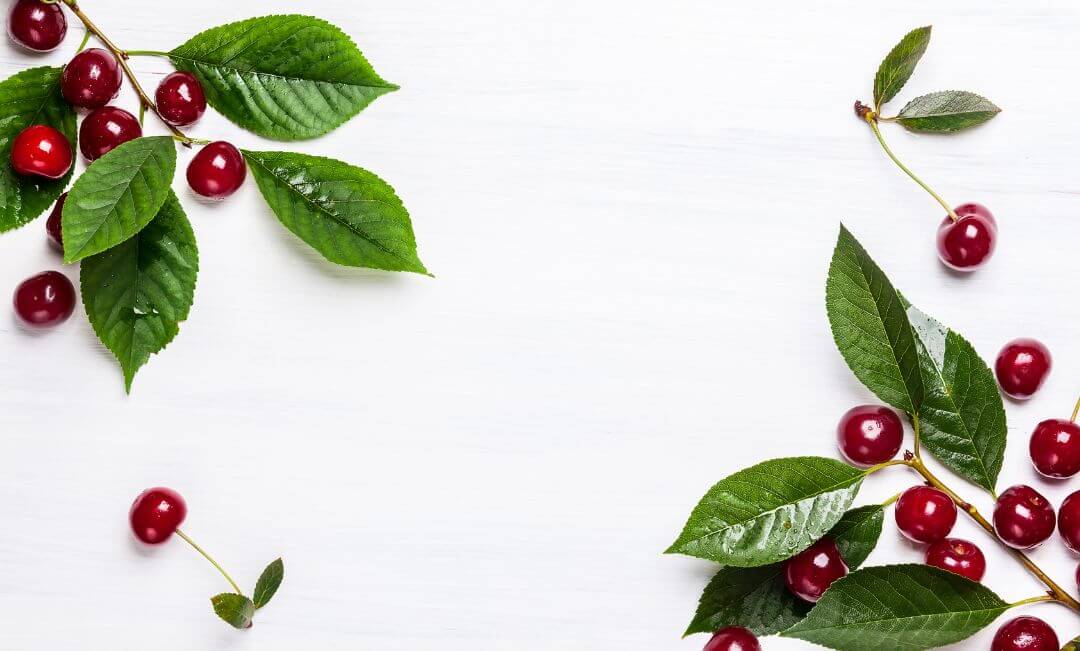
Cherries, particularly tart cherries, are known for their anthocyanin content, antioxidant pigments associated with the red color of fruits. Bowtell et al. (2011, Medicine & Science in Sports & Exercise) showed in a controlled trial that consuming Montmorency cherry juice around intense eccentric exercise significantly improved muscle strength recovery at 24 hours (90.9% vs. 84.9% of initial strength for the placebo group).
They may therefore be of interest to athletes undergoing regular training, especially when recovery becomes a limiting factor. Their potassium content also contributes to fluid balance and normal muscle function.
Tart cherries and blueberries are among the best-documented fruits for supporting muscle recovery and reducing oxidative stress associated with intense training, thanks to their anthocyanin content.
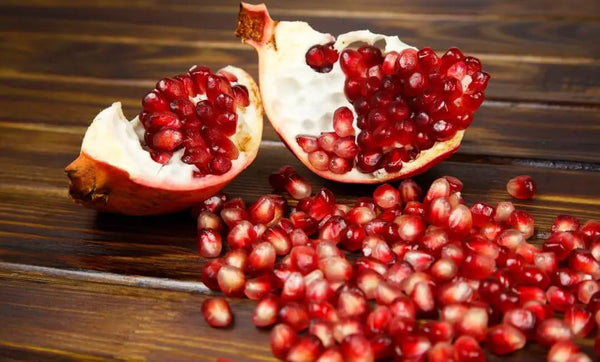
Pomegranate is a fruit particularly rich in polyphenols, especially punicalagins and anthocyanins. These compounds are studied for their antioxidant potential and their role in protecting cells against oxidative stress.
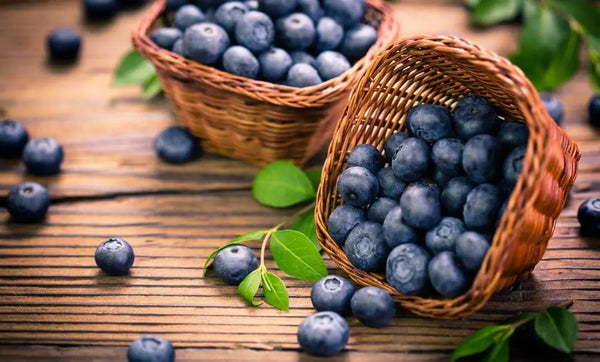
Blueberries are among the fruits richest in anthocyanins. Basu et al. (2010, Journal of Nutrition) conducted a randomized controlled trial involving 48 obese participants with metabolic syndrome, who received the equivalent of 350 g of fresh blueberries per day for 8 weeks. The results showed a greater decrease in systemic and diastolic blood pressure in the blueberry group (-6% and -4%) compared with the control group (-1.5% and -1.2%), as well as a greater reduction in oxidative stress markers (oxidized LDL, malondialdehyde). Their nutritional density makes them an excellent choice for athletes looking to optimize their diet without excessively increasing calories.
They can be added to a bowl of oatmeal, Greek yogurt, a protein smoothie, or a post-workout snack.
Many athletes hesitate to consume fruits because they fear sugar. However, the sugar naturally present in fruits comes with fiber, water, vitamins, minerals, and polyphenols. This nutritional context is very different from that of a sugary drink or an ultra-processed product.
The most important factors remain the total amount consumed, the time of day, and the overall balance of the diet. For an active person, fruits can fit perfectly into a goal of muscle gain, body recomposition, or healthy and sustainable weight loss.
Pair fruits, quality proteins, and good hydration to support your physical goals.
Fruits are true allies for health, performance, and body composition. Apples, cherries, pomegranates, and blueberries provide fiber, vitamins, minerals, and antioxidants that can support energy, recovery, and the overall quality of the diet — with tart cherries and blueberries being among the best documented for muscle recovery and reducing oxidative stress. For an athletic physique, they should be part of a complete strategy combining training, protein, hydration, and recovery. Find the full range of supplements selected to complement your sports nutrition at Force Addict Pro.
Retrouvez les réponses aux questions les plus courantes avant votre achat.
Non, les fruits ne font pas grossir à eux seuls. Le sucre naturel des fruits s'accompagne de fibres, d'eau, de vitamines et de polyphnéols, ce qui est très différent d'une boisson sucrée. C'est l'équilibre calorique global qui détermine la composition corporelle.
Une banane, une pomme ou des fruits rouges sont d'excellents choix avant l'entraînement pour un apport énergétique léger. Le choix dépend de votre tolérance digestive et de l'intensité de la séance.
Les cerises, notamment les cerises acidulées, sont riches en anthocyanines. Plusieurs études publiées dans Medicine & Science in Sports & Exercise montrent leur intérêt pour réduire les douleurs musculaires et certains marqueurs inflammatoires après l'effort.
Les myrtilles, cerises, grenades, mûres, framboises et raisins noirs sont les fruits les plus riches en polyphnéols et anthocyanines. Ces composés aident à réduire le stress oxydatif lié aux entraînements intenses.
Avant l'entraînement pour l'énergie, après la séance associés à des protéines pour la récupération, au petit-déjeuner avec des flocons d'avoine ou du yaourt grec, ou en collation avec des oléagineux pour un encas complet et rassasiant.
Oui, la grenade est particulièrement riche en punicalagines et anthocyanines, étudiés pour leur potentiel antioxydant. Elle peut soutenir la qualité nutritionnelle globale et la circulation sanguine, notamment chez les personnes qui s'entraînent intensivement.